Sofa Cleaning in Your Home: A Practical, Professional Approach to Fresher, Healthier Furniture
Sofa cleaning in your home is one of the most effective ways to improve comfort, extend furniture life, and create a cleaner indoor environment. Sofas are used every day, which means they naturally collect dust, food crumbs, pet hair, body oils, spills, odors, and hidden allergens. Over time, all of that buildup can make even a beautiful sofa look dull and feel less inviting. That is why regular sofa cleaning in your home matters more than many people realize.
Whether you have a fabric sectional, a microfiber loveseat, or a leather couch, proper sofa cleaning in your home can restore appearance and hygiene without damaging the material. Many homeowners assume a quick vacuum is enough, but upholstery fibers and cushions often need deeper attention. With the right techniques, products, and routine care, sofa cleaning in your home can keep furniture looking fresh and support a healthier living space.
In this article, we will explore the best methods, practical tips, and important details that make sofa cleaning in your home more effective. You will learn how to clean different sofa materials, remove common stains, manage odors, and maintain results longer. If you want a cleaner, more comfortable living room, sofa cleaning in your home is a smart place to start.
Why Sofa Cleaning in Your Home Matters

Sofa cleaning in your home is not only about looks; it also supports better hygiene. Upholstery can trap dust mites, pollen, pet dander, and other particles that settle deep into the fibers. For families with children, pets, or allergy concerns, regular sofa cleaning in your home can make daily living noticeably more pleasant. A clean sofa contributes to cleaner air and a more welcoming atmosphere.
Another reason sofa cleaning in your home matters is that stains become harder to remove the longer they sit. Drinks, sauces, makeup, and oils can sink into the fabric and set over time. Acting early with the right cleaning method reduces the risk of permanent marks. Fast stain treatment is one of the easiest ways to protect your investment.
There is also a financial benefit. Sofas are expensive, and replacing one too soon can be costly. Regular sofa cleaning in your home helps preserve the fabric, cushioning, and structure of the piece. In other words, you are not just cleaning the sofa—you are maintaining its lifespan and value.
Understanding Different Sofa Materials
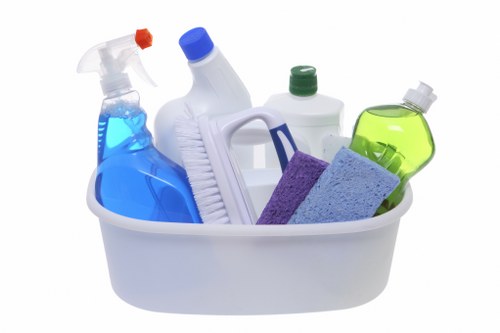
Before starting sofa cleaning in your home, it is important to identify the material. Different fabrics require different products and methods, and using the wrong one can lead to discoloration, shrinkage, or damage. A small care label, usually found under the cushions or along the frame, can tell you a lot about how to clean safely.
Fabric sofas are among the most common and often need careful vacuuming, spot cleaning, and occasional deep cleaning. Microfiber sofas are durable and relatively easy to maintain, but they can show water marks if cleaned incorrectly. Leather sofas need special conditioners and gentle cleaning solutions to prevent dryness and cracking. Suede and velvet need extra caution because these materials can be very sensitive.
When planning sofa cleaning in your home, always start with the manufacturer’s instructions. If the label includes cleaning codes such as W, S, WS, or X, those codes matter. A water-based cleaner may be safe for one sofa but harmful to another. Understanding the material first helps you choose the safest and most effective cleaning approach.
Preparation Steps Before Sofa Cleaning in Your Home
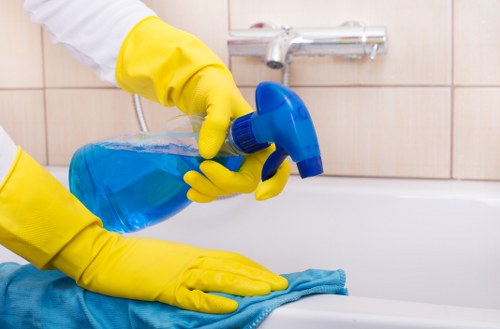
Good preparation makes sofa cleaning in your home much easier. Start by removing loose items such as cushions, throws, and decorative pillows. This gives you access to the entire surface and prevents dust from spreading around while you work. You should also check pockets, crevices, and under the cushions for hidden items, crumbs, or small debris.
Next, vacuum the sofa thoroughly. Use a upholstery attachment to reach along seams, under cushions, around armrests, and into corners. This step removes loose dirt and makes deeper sofa cleaning in your home more effective. Vacuuming also helps lift pet hair and dust that would otherwise get pushed deeper into the fabric during cleaning.
It is also smart to test any cleaning solution on a hidden area first. Apply a small amount, wait for it to dry, and look for fading, texture changes, or water spots. This simple step can prevent bigger problems. For many people, careful preparation is the difference between successful sofa cleaning in your home and accidental damage.
Best Methods for Sofa Cleaning in Your Home
There is no single method that works for every couch, but there are several reliable approaches to sofa cleaning in your home. The best choice depends on the fabric, the type of dirt, and how deep the cleaning needs to be. Some sofas only need maintenance cleaning, while others may require stain treatment or a full refresh. Using the right method ensures better results and less risk.
For routine care, dry vacuuming and light spot cleaning are often enough. For more stubborn buildup, steam cleaning, upholstery shampoo, or a mild soap solution may be appropriate. Leather sofas may need a slightly different process using a pH-balanced cleaner and a soft cloth. Matching the method to the material is one of the most important parts of sofa cleaning in your home.
Below are some of the most effective techniques homeowners use to keep upholstery clean and comfortable throughout the year.
1. Vacuuming and Dry Dust Removal
Vacuuming is the foundation of sofa cleaning in your home. It removes dust, crumbs, lint, pet hair, and other loose particles before they settle deeper into the fibers. If you vacuum weekly, you can reduce buildup and make deeper cleaning less frequent and easier. This simple habit also keeps the sofa looking fresher between major cleanings.
Use a crevice tool for seams and tight spaces. A soft brush attachment works well for the main fabric surface. For pet owners, a lint roller or rubber brush can help lift stubborn hair from cushions and armrests. Dry dust removal may seem basic, but it is one of the most important parts of effective sofa cleaning in your home.
2. Spot Cleaning Stains
Spot cleaning is essential when spills happen. The sooner you treat the area, the better your chances of removing the stain completely. Blot the spill with a clean cloth rather than rubbing it, because rubbing can spread the stain and push it deeper. Use a small amount of mild cleaner appropriate for the fabric, then blot again until the stain lifts.
For sofa cleaning in your home, different stains may need different approaches. Water-based stains like juice or coffee often respond well to gentle soap and water, while grease stains may need a dry absorbent product first. Always work from the outside of the stain toward the center to avoid enlarging the mark. Patience matters here, and using too much moisture can cause rings or mildew.
3. Steam Cleaning and Deep Cleaning
Steam cleaning can be useful for some fabric sofas because it helps loosen dirt and refresh upholstery. However, it is not suitable for all materials. Before using steam, confirm that the fabric can handle moisture and heat. If used correctly, steam cleaning can be a strong option for sofa cleaning in your home when the couch needs a deeper refresh.
Deep cleaning with a fabric-safe upholstery shampoo or extraction machine may also be effective. These methods can remove embedded grime and revive tired-looking cushions. It is best to avoid soaking the fabric. Excess moisture can lead to odor, slow drying, and possible damage to the sofa frame. Proper technique is crucial when deep sofa cleaning in your home.
4. Leather Sofa Care
Leather requires special attention. Instead of using harsh detergents or excessive water, choose a leather-safe cleaner and a soft microfiber cloth. Wipe away dust first, then clean in small sections. Once the surface is clean and dry, apply a conditioner if needed to keep the leather soft and prevent cracking.
For leather sofa cleaning in your home, avoid abrasive scrubbers, bleach, and oil-heavy products that can damage the finish. Leather is durable, but it still needs regular care to stay smooth and attractive. Consistent maintenance helps preserve the natural look and feel of the material.
How to Remove Common Sofa Stains
Stains are one of the biggest reasons people look into sofa cleaning in your home. Each type of stain behaves differently, so knowing how to respond can save time and reduce stress. The key is to act quickly, use the right product, and avoid scrubbing too aggressively. A calm, methodical approach usually works best.
For food and drink stains, blot first and then treat with a mild upholstery cleaner or diluted soap solution. For ink, you may need a specialized fabric-safe stain remover. Grease stains often respond better to absorbent powders such as baking soda or cornstarch before wet cleaning begins. Pet stains may require an enzyme cleaner to break down odor-causing residues.
Here are some practical stain-removal tips to support sofa cleaning in your home:
- Blot spills immediately with a clean white cloth.
- Use minimal water to avoid saturation.
- Test cleaners on hidden areas first.
- Work in small sections to control moisture.
- Allow the sofa to dry thoroughly after treatment.
Dealing with Odors During Sofa Cleaning in Your Home
Odor control is another major benefit of sofa cleaning in your home. Sofas can absorb smells from pets, cooking, sweat, smoke, and everyday use. Even if a sofa looks clean, lingering odor can make a room feel stale. Addressing smell at the source is the best way to refresh the entire space.
Baking soda is a popular option for odor absorption. Sprinkle a light layer over the fabric, let it sit for a few hours, and vacuum it away. For stronger odors, a fabric-safe deodorizing spray may help. If the smell comes from a spill or pet accident, deep cleaning is often necessary because surface deodorizing alone will not remove the cause.
Regular ventilation also supports better sofa cleaning in your home. Open windows when possible, use fans to improve airflow, and allow the sofa to dry fully after cleaning. A dry sofa is less likely to develop musty smells or mildew, which helps keep your living room smelling clean and comfortable.
How Often Should You Do Sofa Cleaning in Your Home?
The ideal schedule for sofa cleaning in your home depends on use, household size, pets, and lifestyle. In a busy home with children or animals, weekly vacuuming and regular spot cleaning may be necessary. In a quieter household, a lighter routine may be enough. The goal is to stay ahead of dirt before it builds up.
As a general rule, vacuum your sofa once a week and address spills immediately. Perform a deeper sofa cleaning in your home every few months or as needed based on use. Leather sofas may need conditioning less frequently but should still be wiped down regularly. High-traffic living rooms usually require more attention than guest rooms or formal sitting areas.
To simplify your routine, consider this basic schedule:
- Weekly: Vacuum and remove crumbs, pet hair, and dust.
- Monthly: Spot clean stains and refresh fabric with odor control.
- Seasonally: Deep clean upholstery and inspect for damage.
- As needed: Treat spills, pet accidents, and visible marks immediately.
Common Mistakes to Avoid
Even when people are careful, a few common mistakes can reduce the effectiveness of sofa cleaning in your home. One of the biggest errors is using too much water. Oversaturation can cause fabric damage, odor, and slow drying. Another mistake is scrubbing too hard, which may roughen fibers or spread the stain further.
Using the wrong cleaner is another frequent issue. Products that work on hard surfaces may be too harsh for upholstery. Always check labels and material codes before applying anything. Ignoring the drying stage is also risky. A sofa that stays damp too long may develop mildew or musty odors, undermining all of your cleaning efforts.
For better results, keep these avoidable mistakes in mind:
- Do not soak the fabric.
- Do not rub stains aggressively.
- Do not use bleach unless the manufacturer clearly approves it.
- Do not skip patch testing.
- Do not forget to dry cushions and crevices fully.
Benefits of Professional Sofa Cleaning in Your Home
While many homeowners handle routine cleaning themselves, professional sofa cleaning in your home can provide a deeper level of care. Professionals often use specialized equipment and fabric-safe methods designed to remove deep-set soil, allergens, and odors. This is especially helpful when a sofa has not been cleaned for a long time or when stains have become difficult to treat.
Professional service may also be valuable for delicate materials such as velvet, suede, or antique upholstery. These fabrics can be hard to clean safely without experience. In many cases, professional sofa cleaning in your home saves time and reduces the risk of accidental damage. It can also help revive the appearance of your furniture more effectively than basic home methods alone.
If you are deciding whether to hire help, think about the condition of the sofa, the material, and the amount of traffic it receives. Book your service now if your upholstery needs deep restoration, odor removal, or specialized care. For many households, combining regular home maintenance with occasional expert cleaning is the most effective approach.
Tips to Keep Your Sofa Cleaner for Longer
Once you have completed sofa cleaning in your home, the next step is keeping the results for as long as possible. Preventive habits reduce buildup and make future cleanings easier. Small actions every week can make a big difference over time.
Using throws or washable covers in high-traffic areas can help protect the fabric. Keeping food and drinks away from the sofa also lowers the risk of spills. If you have pets, brushing them regularly and using pet blankets can cut down on hair and dander. These simple strategies help preserve the appearance of your upholstery.
Additional tips for long-lasting results include:
- Rotate cushions to distribute wear evenly.
- Keep the sofa out of direct sunlight when possible.
- Vacuum under cushions and around seams weekly.
- Address spills right away instead of waiting.
- Use fabric-safe refreshers sparingly to avoid buildup.
When to Refresh and When to Deep Clean
A light refresh is useful when the sofa appears dusty or slightly dull, but it has no major stains or odors. Deep cleaning is better when the upholstery looks visibly dirty, feels sticky, or holds lingering smells. Knowing the difference helps you choose the right sofa cleaning in your home approach and avoid unnecessary wear.
Routine maintenance keeps the couch tidy, while deep treatment restores freshness. In many homes, both are needed at different times. If you stay consistent with small tasks, you will need fewer major interventions later.
Why Consistency Matters
Consistency is the secret to successful sofa cleaning in your home. A sofa that is vacuumed regularly, spot cleaned promptly, and deep cleaned when needed will always perform better than one that is neglected until problems become obvious. Regular attention protects comfort, appearance, and hygiene at the same time.
When your upholstery is clean, the whole room feels better. That is the real value of sofa cleaning in your home: a fresher space, healthier surfaces, and furniture that lasts longer. If your sofa is overdue for care, take the first step today. Contact us today or book your service now to restore the look and feel of your living room.
Final Thoughts on Sofa Cleaning in Your Home
Sofa cleaning in your home does not need to feel overwhelming. With the right approach, you can handle routine upkeep, treat stains effectively, and protect your upholstery from long-term damage. The key is to understand your sofa’s material, clean it consistently, and use safe methods that match the fabric type.
Whether you are dealing with pet hair, accidental spills, or everyday dust, a thoughtful cleaning routine can make your sofa more comfortable and inviting. By combining regular maintenance with occasional deeper care, sofa cleaning in your home becomes a simple habit that delivers lasting results. Clean furniture supports a cleaner home, and that is something every household can appreciate.
If your goal is a fresher living space and better-looking furniture, start with the basics and build from there. The more attention you give to sofa cleaning in your home, the longer your upholstery will stay beautiful, welcoming, and ready for daily use.