Stain Removal in Everyday Spaces: Effective Methods for Cleaner Surfaces, Fabrics, and Floors
Stain removal is one of those household and property-care topics that never goes out of style. Whether you are dealing with a coffee spill on upholstery, grease on kitchen surfaces, mud on carpet, or ink on a work shirt, stain removal is all about acting fast, choosing the right method, and protecting the material underneath. The right approach can save time, reduce replacement costs, and keep your home or workspace looking polished.
People often search for stain removal tips because stains can appear suddenly and spread quickly. A small mark can turn into a stubborn problem if treated with the wrong product. That is why understanding the basics of stain removal matters. From natural remedies to commercial cleaners, there are many ways to lift stains safely and effectively. The key is knowing which method fits the fabric, flooring, or surface you are treating.
In this article, you will find practical information on common stain types, useful cleaning techniques, and smart prevention habits. You will also learn how to improve your results without damaging materials. If you are looking for reliable stain removal strategies for the home or business, this article offers clear and useful direction. Book your service now if you need expert help with stubborn stains that keep returning.
Why Stain Removal Matters in Homes and Workplaces
Stains do more than affect appearance. In many cases, they can create unpleasant odors, weaken fibers, and leave surfaces looking neglected. Proper stain removal supports hygiene, helps maintain property value, and extends the life of furnishings, carpets, and textiles. For busy households and commercial spaces, regular cleaning is often not enough without a targeted stain removal approach.
When stains are ignored, they tend to set deeper into materials. Food, wine, oil, rust, and pet stains can become more difficult to remove with time. That is why quick action is one of the most important parts of effective stain removal. The earlier you respond, the better your chances of lifting the stain completely.
There is also a visual benefit. A clean environment feels more organized, more inviting, and more professional. From a spotless office carpet to fresh-looking kitchen counters, stain removal helps create a better overall impression. If stains are affecting your space, contact us today to explore professional cleaning options.
Common Problems Caused by Stains
Different stains cause different issues, and some are more serious than others. For example, grease may attract dust, red wine may discolor fabric, and mold-related stains may point to moisture problems. Effective stain removal requires identifying both the stain and the surface it has affected. This helps you avoid using a cleaner that could make the issue worse.
- Permanent discoloration on fabrics and carpets
- Odors caused by organic spills or pet accidents
- Surface damage from harsh chemicals or scrubbing
- Reduced appearance and cleanliness in living or working spaces
Understanding the Basics of Stain Removal

Before applying any cleaning product, it helps to understand how stain removal works. Most stains fall into a few broad categories, and each one responds differently to cleaning. Water-based stains such as coffee, juice, and soda often need gentle blotting and a mild detergent. Oil-based stains like butter, makeup, and cooking grease may require a degreasing agent or absorbent powder.
Stain removal is also influenced by the material involved. Cotton, wool, synthetic carpet, leather, wood, tile, and upholstery all react differently to moisture and chemicals. A method that works well on a washable shirt could damage a delicate sofa fabric or a sealed wood floor. For this reason, testing a small hidden area is a smart first step.
Another important idea is blotting versus rubbing. Rubbing can spread the stain and push it deeper into the fibers. Blotting lifts liquid away without forcing it further in. In stain removal, this simple habit can make a huge difference in outcome. Always blot first, then treat the stain carefully and in stages.
What Makes a Stain Hard to Remove?
Some stains become difficult because they are left untreated, while others are hard from the start due to their composition. Protein-based stains like blood or dairy can set with heat. Tannin stains from tea, coffee, and wine often require specific treatment. Dye stains can be especially stubborn because they transfer color into fibers. Successful stain removal usually depends on matching the right method to the right stain type.
Helpful Tools for Stain Removal
Keeping a few items on hand can make cleaning faster and more effective:
- Clean white cloths or paper towels
- Soft-bristled brush
- Spray bottle
- Baking soda
- White vinegar
- Mild liquid detergent
- Hydrogen peroxide, if safe for the surface
Effective Stain Removal Methods for Common Stains
The most effective stain removal approach starts with identifying the stain type. Some stains disappear quickly with household products, while others need more time or repeated treatment. Below are some of the most common stain removal situations and practical ways to handle them.
Coffee and tea stains are common on clothing, rugs, and upholstery. For fresh spills, blot the area immediately with a clean cloth. Then use cold water and a mild detergent solution. For tougher marks, a small amount of vinegar or stain remover may help break down the residue. Avoid hot water at first, since it can make tannin stains harder to remove.
Grease and oil stains require a different approach. Sprinkle baking soda, cornstarch, or talcum powder over the stain to absorb excess oil. Let it sit, then brush it away. After that, apply a drop of dish soap mixed with warm water and blot gently. This stain removal method works well on fabrics, countertops, and some floor surfaces when used carefully.
- Blot the stain without rubbing
- Use the mildest product that can work
- Repeat treatment if needed
- Rinse or wipe away residue after cleaning
Red wine stains can look dramatic, but quick action often helps. Blot excess liquid first, then apply cold water or a gentle cleaning solution. Some people use salt to draw out moisture before washing. When dealing with carpeting or upholstery, stain removal may require several cycles of blotting and rinsing to fully lift the color.
Ink stains are another frequent challenge. Place a towel under the fabric if possible, then dab the stain with rubbing alcohol or a suitable solvent. Use a cotton swab to work from the outside inward so the ink does not spread. This kind of stain removal should be done carefully, especially on delicate materials.
Stain Removal for Fabrics, Carpet, and Upholstery
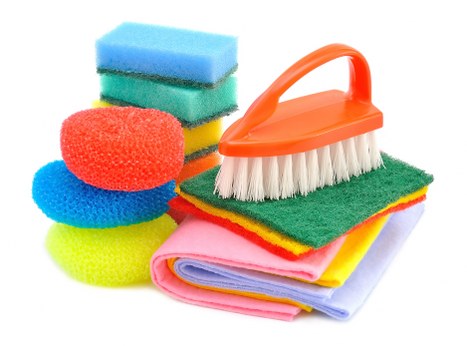
Fabric and soft surfaces need special care because they can trap stains deep inside fibers. Effective stain removal here depends on patience and a gentle touch. Aggressive scrubbing may damage threads or spread the stain across a wider area. Instead, work in small sections and use clean cloths to lift residue step by step.
For clothing, it is often best to rinse from the back of the stain so the material pushes the stain out rather than into the fibers. Apply a cleaning solution, let it sit briefly, and blot. Then wash according to the care label. On upholstery, always check the manufacturer’s cleaning code if available. Some fabrics are water-safe, while others need solvent-based treatment.
Carpet stain removal can be especially sensitive because moisture can soak into the padding underneath. Too much liquid can lead to odors or mold if not dried properly. Use only as much solution as needed, then dry the area with a fan or clean towel. In many cases, repeating a mild treatment is better than soaking the carpet once.
Best Practices for Soft Surfaces
Here are a few useful habits that improve results:
- Test cleaning products on a hidden spot first
- Use white cloths to avoid dye transfer
- Work from the outside of the stain inward
- Dry the area fully after treatment
- Avoid overwetting upholstery or carpet padding
Some stains on fabric may need specialized stain removal solutions, especially if they are old or have been heat-set in a dryer. In those cases, it is often better to stop and reassess than to continue with strong chemicals that might cause fading. Book your service now if your carpet, sofa, or clothing needs professional attention.
Stain Removal on Hard Surfaces and Floors
Hard surfaces such as tile, laminate, stone, stainless steel, and sealed wood are generally easier to clean than fabrics, but they still require the right stain removal method. The main concern is protecting the finish. Strong acids, abrasive pads, or harsh solvents can dull the surface or remove protective coatings.
For kitchen counters, food stains, coffee rings, and watermarks often lift with warm water and a mild cleaner. On tile grout, a paste made from baking soda and water may help loosen discoloration. For stainless steel, wiping with the grain is usually best. Stone surfaces like marble or granite should be cleaned with pH-safe products to avoid etching.
Wood surfaces may need extra caution because excess moisture can cause swelling or warping. Use a lightly damp cloth rather than soaking the area. If the stain is from water, oil, or dye, the treatment may vary depending on whether the wood is sealed. In stain removal, one rule is especially important: never assume all hard surfaces can handle the same cleaner.
How to Handle Specific Floor Stains
Floor stain removal often involves different methods based on the flooring type. Tile and grout may benefit from scrubbing with a soft brush and mild solution. Vinyl and laminate often respond best to gentle cleaners and minimal moisture. Hardwood requires the most care and should be dried immediately after treatment. For persistent stains on floors, professional cleaning may prevent costly damage.
Common floor stains and treatment ideas include:
- Mud: let dry, vacuum, then wipe with mild detergent
- Grease: use dish soap and warm water sparingly
- Rust: use a surface-safe rust remover only if recommended for the material
- Paint: remove fresh paint carefully before it dries fully
Natural Remedies and Commercial Products for Stain Removal
Many people prefer natural cleaning methods for routine stain removal. White vinegar, baking soda, lemon juice, and salt can be useful for some stains, especially when used early. These products are popular because they are affordable and often easy to find. However, natural does not always mean safe for every surface, so it is important to use them correctly.
Baking soda can absorb odors and help lift mild residue. Vinegar may break down some organic stains and soap buildup. Lemon juice can help with certain discolorations, but it may be too acidic for delicate surfaces. When choosing a stain removal method, balance convenience with surface safety. A gentle product that works slowly is usually better than a harsh formula that damages the material.
Commercial stain removers can be very effective, especially for set-in stains or specialty fabrics. Enzyme cleaners are often helpful for pet messes and organic spills. Oxygen-based cleaners may improve stain removal on washable fabrics and some hard surfaces. Degreasers are useful for kitchen stains, while solvent-based products can help with ink or adhesive residue.
Choosing the Right Product
When selecting a product, consider the following:
- The stain type: oil, protein, dye, or mineral
- The material: fabric, carpet, wood, stone, or tile
- The age of the stain: fresh, recent, or set-in
- The finish: sealed, unsealed, washable, or delicate
Product labels often contain useful information, and reading them carefully can prevent mistakes. If you want dependable stain removal without risking damage, choosing a product designed for the specific problem is always the smarter route.
Preventing Stains Before They Start
Prevention is an underrated part of stain removal. While no one can avoid every spill, small habits can reduce the number of stains that become long-term problems. Using coasters, mats, washable covers, and protective sprays can make a noticeable difference. In kitchens and dining areas, immediate wiping after spills helps prevent staining before it sets in.
Regular maintenance also supports easier stain removal later. Vacuum carpets often, clean upholstery periodically, and address minor spills right away. The less time a stain has to settle, the easier it usually is to remove. For homes with children or pets, having a small stain removal kit ready can save a lot of stress.
Another helpful habit is treating high-risk areas before problems occur. Entryways, dining spaces, and work areas see more dirt and spills than other rooms. Using protective treatments and choosing stain-resistant materials can reduce future effort. In this way, stain removal is not just about cleaning; it is also about planning.
- Use washable rugs in busy areas
- Keep cleaning cloths nearby for quick response
- Protect upholstery with appropriate fabric treatments
- Train children and guests to handle spills promptly
When Professional Stain Removal Is the Better Choice
Sometimes, even the best home methods are not enough. Deep stains, delicate materials, large affected areas, and recurring discoloration often require professional stain removal. Professional cleaners have access to stronger equipment, specialized solutions, and experience with a wide range of materials. They can often remove stains that would otherwise remain visible or spread further.
Professional help is especially valuable when dealing with antique fabrics, natural stone, high-traffic carpet, or valuable upholstery. In these situations, an incorrect cleaning method can lead to permanent damage. A trained service can assess the stain, identify the right method, and carry out the stain removal process more safely.
Professionals also save time. If you have a busy schedule or a stain that keeps returning, expert service may be the most efficient solution. Stubborn spots, smoke residue, pet accidents, and old water stains often benefit from advanced treatment. Contact us today to learn more about stain removal solutions for difficult surfaces and materials.
Signs It Is Time to Call a Professional
- The stain is old, large, or deeply set
- The material is delicate or expensive
- Home cleaning attempts have not worked
- The stain has caused odor or discoloration
- You are unsure which method is safe
Smart Stain Removal Habits for Long-Term Cleanliness
Strong stain removal results come from consistency, not just one-time effort. Building simple cleaning habits helps you stay ahead of messes and preserve the condition of fabrics, carpets, and surfaces. Keep a stain treatment kit in a convenient place so you can react quickly when spills happen. Fast response is often the difference between a temporary mark and a lasting stain.
It also helps to understand that not every stain should be treated the same way. A thoughtful stain removal routine includes reading care labels, testing products, and using the least aggressive method first. If that does not work, move to a stronger option carefully. This layered approach reduces the risk of damage while improving your chances of success.
Clean spaces feel better to live and work in. They look brighter, smell fresher, and leave a stronger impression on visitors, customers, and family members. Whether you are handling everyday spills or tackling older marks, stain removal remains one of the most valuable cleaning skills you can learn. If you need expert support, book your service now and take the next step toward a cleaner space.
Final Tips for Better Results
Keep these simple ideas in mind:
- Act quickly whenever possible
- Choose the right method for the stain
- Avoid rubbing aggressively
- Use clean tools and fresh cloths
- Dry surfaces fully after treatment
Stain removal is most successful when it is careful, timely, and matched to the surface. With the right habits, you can protect your home, extend the life of your belongings, and keep every room looking its best.